

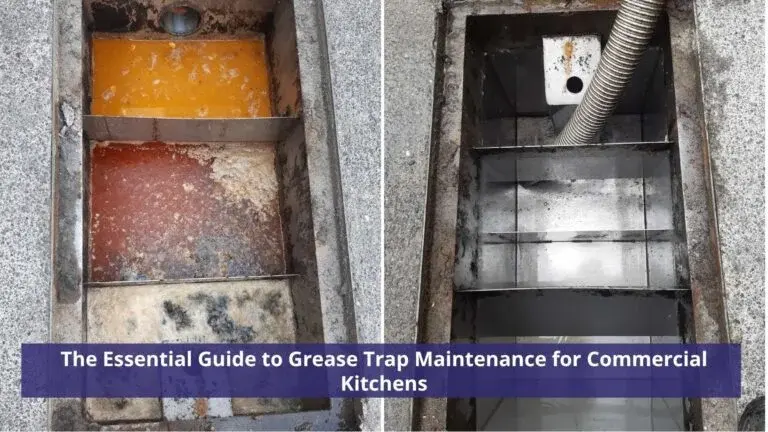
The Essential Guide to Grease Trap Maintenance for Commercial Kitchens

Grease traps are a vital component of any commercial kitchen’s drainage system. Designed to intercept fats, oils, and grease (FOG) before they enter the sewer network, they help prevent costly blockages, foul odours, and environmental harm.
For businesses in the food service industry, restaurants, hotels, cafés, and catering facilities, regular grease trap maintenance is not just best practice; it’s a legal requirement.
Why Grease Traps Matter
When FOG enters drainage systems, it solidifies and builds up over time, leading to severe blockages. This can cause:
Flooding and backflow of wastewater
Nasty odours affecting customers and staff
Expensive emergency callouts and repairs
Environmental pollution from uncontrolled discharges
By capturing grease at the source, grease traps protect your plumbing, support public health, and ensure compliance with environmental regulations.
Common Signs Your Grease Trap Needs Attention
Routine servicing keeps systems running smoothly, but there are warning signs that indicate urgent maintenance is required:
Slow-draining sinks
Persistent bad smells around kitchen drains
Overflowing grease trap chambers
Increased presence of pests
Ignoring these indicators can quickly escalate into major operational disruptions and enforcement action.


How Often Should Grease Traps Be Cleaned?
The frequency of cleaning depends on several factors:
Volume of food prepared
Size and capacity of the grease trap
Local authority requirements
In Ireland, Irish Water requires commercial grease traps to be cleaned at least four times per year. This legal obligation is in place to ensure fats, oils, and grease (FOG) are properly managed, preventing blockages in public sewers and protecting the environment.
Failure to comply can result in fines, enforcement actions, and potential damage to your business reputation.
While quarterly cleaning is mandatory, some high-volume kitchens may need more frequent servicing depending on usage, trap size, and specific site conditions. A proactive maintenance plan helps avoid costly disruptions and ensures continuous compliance.


The McBreen Environmental Approach
At McBreen Environmental, we specialise in grease trap services, including:
Scheduled maintenance programmes
Emergency pump-outs
Full waste disposal at licensed facilities
Compliance reporting and documentation
Our fleet of specialist vehicles, from jetting vans to high-capacity vacuums, ensures we can access any site, from city-centre restaurants to large industrial kitchens.
Book Your Grease Trap Service Today
Don’t wait for a blockage to disrupt your operations. Contact McBreen Environmental to arrange a tailored grease trap maintenance plan and keep your business running smoothly.


