0818 66 33 33
24/7 Emergency Nationwide




Interceptor Cleaning and Maintenance Across Ireland
Keep your interceptor working properly before a blockage, alarm or overflow disrupts your site. McBreen Environmental provides professional cleaning, desludging and maintenance for oil and petrol interceptors — also known as oil separators, throughout Ireland.
Our service goes beyond simply emptying the chamber. We inspect the condition of the system, clean and replace filters, test existing alarms, install new alarm systems and put an appropriate planned-maintenance programme in place.

20+ Years
Experience

Nationwide
Coverage

24/7
Emergency Response

Fully Licensed
& Insured

ISO Certified
9001, 14001 & 45001

Service & waste
Documentation
MCBREEN ENVIRONMENTAL
Manage the Asset Before It Becomes a Problem
Interceptors normally sit out of sight, but they perform an important job every day — capturing oil, fuel, silt and other contaminants before they can enter the drainage system or the surrounding environment.
As these materials accumulate, the interceptor's available capacity and performance are reduced. If the system isn't inspected and maintained, the result can be a blocked outlet, an activated alarm, flooding, a pollution incident or unexpected disruption to your site.
Planned interceptor maintenance gives you a clearer picture of the asset's condition, and lets cleaning, filter replacement and repairs be organised before they become urgent. Our team can assess your interceptor, identify what servicing is required and recommend a maintenance frequency suited to the system, its use and the risks associated with the site.

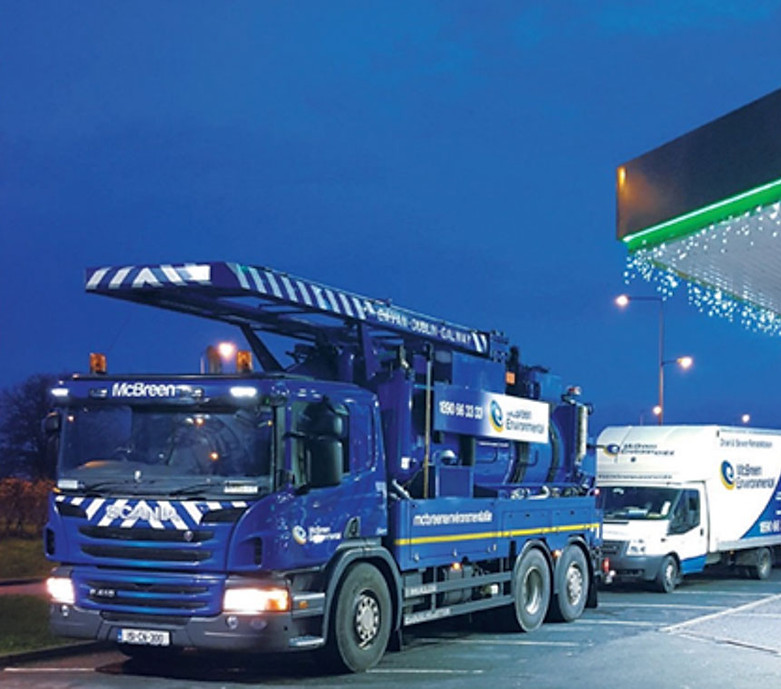

Complete Interceptor Cleaning and Servicing
The exact scope is agreed for each site and interceptor. Depending on the system, our service can include:
-
Pre-service assessment of the interceptor, access points and surrounding work area
-
Removal of accumulated oil, fuel, silt, sludge and contaminated water
-
Emptying and desludging using specialist Jet-Vac and vacuum tanker equipment
-
High-pressure cleaning of the chamber, inlet, outlet and associated pipework
-
Inspection of the internal structure for visible damage or deterioration
-
Inspection of baffles and automatic closure devices, where fitted
-
Cleaning or replacement of coalescing filters
-
Cleaning and testing of oil probes and existing alarm equipment
-
Installation or replacement of interceptor alarm systems
-
Checking and securely refitting access covers
-
Refilling and reinstating the interceptor where required by its design
-
Transport of recovered material to an authorised treatment or recovery facility
-
Service reports, waste documentation and recommendations for further work
Following the service, we provide a clear record of the work completed and highlight any defects or maintenance requirements identified during the visit.

COMMERCIAL SERVICES
Services

Interceptor Filter Replacement
The coalescing filter is an important part of many interceptor systems. It helps smaller oil droplets combine so they can separate from the water and stay contained within the interceptor.
A damaged, heavily contaminated or blocked filter can restrict flow and affect the performance of the system.
Simply emptying the interceptor without checking the filter can leave an important part of the problem unresolved. Where applicable, McBreen can inspect and clean the existing filter, or arrange for a suitable replacement to be installed.
Interceptor Alarm Installation and Testing
An interceptor alarm provides an early warning when oil, silt or liquid reaches a specified level, or when the system needs attention. McBreen can inspect and test existing probes and alarm equipment, and install suitable alarm systems where additional monitoring is required.
An alarm doesn't replace planned maintenance, but it can give facilities and maintenance teams valuable warning of changing conditions before an overflow or system failure occurs. For organisations managing several locations, alarms can form part of a more proactive approach to monitoring critical drainage assets across the estate.

Contact Our Drainage Response & Maintenance Team
Contact our experienced team for expert advice, planned maintenance, service enquiries or to discuss the right support for your interceptor system. We can arrange a site assessment, review your existing maintenance programme or respond to an urgent interceptor problem.
A Planned Maintenance Programme for Your Interceptors
There's no single servicing interval that suits every interceptor. The correct frequency depends on factors such as:
-
The type and capacity of the interceptor
-
Vehicle movements and activity on the site
-
The amount of oil, fuel, silt or debris entering the system
-
Local rainfall and surface-water volumes
-
Previous service history
-
Alarm activations or evidence of restricted flow
-
Manufacturer recommendations
-
Planning, environmental, licensing and site-specific requirements
A six-monthly inspection or service is commonly used for many installations, but busy or higher-risk sites may need more frequent attention. Our team can help establish a suitable schedule and maintain consistent service records across individual locations or multi-site portfolios.
MCBREEN ENVIRONMENTAL
Manage the Asset Before It Becomes a Problem
Interceptors normally sit out of sight, but they perform an important job every day — capturing oil, fuel, silt and other contaminants before they can enter the drainage system or the surrounding environment.
As these materials accumulate, the interceptor's available capacity and performance are reduced. If the system isn't inspected and maintained, the result can be a blocked outlet, an activated alarm, flooding, a pollution incident or unexpected disruption to your site.
Planned interceptor maintenance gives you a clearer picture of the asset's condition, and lets cleaning, filter replacement and repairs be organised before they become urgent. Our team can assess your interceptor, identify what servicing is required and recommend a maintenance frequency suited to the system, its use and the risks associated with the site.
MCBREEN ENVIRONMENTAL
Why Choose McBreen for Interceptor Maintenance
20+ years' experience
Established drainage and environmental capability for commercial and licensed sites.
Nationwide depot network
Cavan, Dublin, Cork, Louth, Galway and Roscommon.
Three-hour emergency response
A clearly stated nationwide service commitment for urgent interceptor problems.

Full service-to-repair pathway
Cleaning, desludging, filter replacement, alarms, CCTV and repairs in one place.
Licensed waste capability
Permitted tankering and authorised disposal routes with traceable records.
Certified management systems
ISO 9001, ISO 14001 and ISO 45001
Interceptor Maintenance for Every System and Site
From full-retention separators to wash-bay interceptors, across forecourts, depots, car parks and industrial estates — we service the full range of systems and know the signs that one needs attention. Whether it's a single chamber or interceptors spread across a national portfolio, we keep them maintained, compliant and well documented.
Types of Interceptors and Separators We Service
Our interceptor-cleaning and maintenance service can support:
-
Full-retention interceptors and separators
-
Bypass interceptors and separators
-
Oil and petrol interceptors
-
Fuel separators
-
Wash-bay interceptors
-
Silt traps and associated drainage chambers
-
Interceptors serving car parks and vehicle areas
-
Systems fitted with coalescing filters, closure devices or alarms
Oil interceptors and oil separators are different names commonly used for the same category of pollution-control system. For kitchen fats, oils and grease, please visit our Grease Trap Cleaning & Maintenance service.
Sites and Sectors We Support
McBreen Environmental provides interceptor maintenance for:
-
Airports and transport facilities
-
Bus, haulage and fleet depots
-
Car washes and vehicle-cleaning areas
-
Car parks and retail developments
-
Hospitals and healthcare estates
-
Housing estates
-
Local authority sites
-
Manufacturing and industrial facilities
-
Public-sector properties
-
Warehouses and distribution centres
-
Schools and colleges
-
Vehicle garages and workshops
-
Service stations and forecourts — for broader maintenance of the surrounding site, visit our Forecourt Maintenance service
Signs That an Interceptor May Need Attention
Contact our team if you notice:
-
An interceptor or high-oil-level alarm has activated
-
Surface water is draining more slowly than usual
-
Oil is visible at the outlet or within downstream drainage
-
The chamber contains a significant build-up of silt or sludge
-
Persistent odours around the system
-
Gullies or channels repeatedly blocking
-
Water backing up or flooding around the interceptor
-
The system hasn't been inspected or serviced recently
-
Maintenance or disposal records are incomplete
If an interceptor is overflowing or creating an immediate pollution risk, our 24/7 response team can arrange urgent assistance.
Interceptor Cleaning for Multi-Site Estates
Managing interceptors across several properties can make it difficult to maintain consistent schedules and records. McBreen can coordinate planned servicing across a portfolio of sites, helping facilities teams maintain:
-
A register of interceptor locations and asset details
-
Consistent inspection and servicing intervals
-
Site-specific access and service information
-
Service reports and waste documentation
-
Records of filter and alarm condition
-
Recommended repairs and follow-up actions
-
A clear point of contact for planned and emergency work
With operational bases serving locations throughout Ireland, we can support individual sites and nationwide maintenance programmes.
Frequently Asked Questions
Is an oil separator the same as an interceptor?
The terms are often used interchangeably. Both describe systems designed to separate oil, fuel, silt or other contaminants from water before it leaves the site. The precise design may be full retention, bypass or another specialist configuration.
Does interceptor cleaning include removing the sludge?
Yes. Our service can include the removal of accumulated sludge, silt, oil, contaminated water and other material using specialist vacuum equipment.
Can you replace the interceptor filter?
Yes. Where the system has a coalescing filter, we can inspect its condition and clean or replace it as required.
Can McBreen install an interceptor alarm?
Yes. We can inspect and test existing alarm equipment and install new interceptor alarm systems where suitable.
How often should an interceptor be cleaned?
The interval depends on the system, pollutant load, site activity, service history and applicable requirements. Many installations are inspected or serviced every six months, while higher-risk locations may need more frequent attention.